Social Engineering Scam Recovery

Social Engineering Scam Recovery

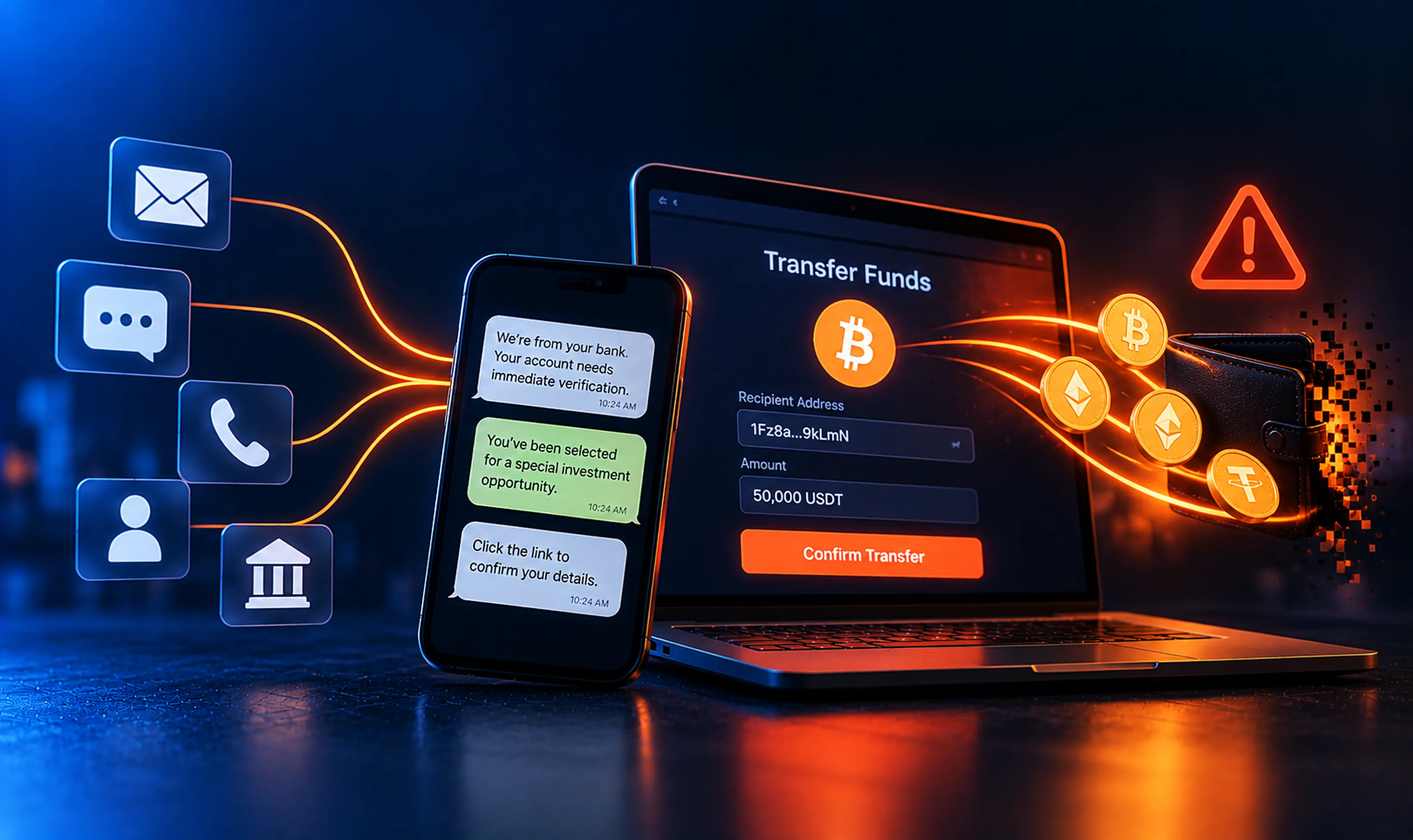
Social engineering scams trick people into trusting someone who is not who they claim to be. Scammers may pretend to be a company representative, financial advisor, government official, or even someone you know before asking for money or sensitive information. Fund Recovery Help reviews conversations, payment records, transaction history, and supporting evidence to trace how the deception occurred and assess possible recovery options.

Types of Social Engineering Scams We Investigate

  • Impersonation Scams
  • Romance & Relationship Scams
  • Business Email Compromise (BEC)
  • Tech Support Scams
  • Investment & Coaching Scams
Impersonation Scams
Scammers pretend to be banks, government agencies, cryptocurrency companies, technical support teams, or other trusted organizations to convince individuals to transfer money or disclose sensitive information.
Romance & Relationship Scams
Fraudsters build emotional relationships over time before requesting financial assistance, investment opportunities, or emergency payments.
Business Email Compromise (BEC)
Scammers impersonate company executives, vendors, or business partners through email, convincing employees or business owners to send payments to fraudulent accounts.
Tech Support Scams
Individuals receive fake security alerts or phone calls claiming their devices or financial accounts have been compromised. Victims are pressured into making payments or granting remote access.
Investment & Coaching Scams
Scammers gain trust through social media, messaging apps, or online communities before promoting fraudulent investment opportunities or fake trading platforms.

Our Social Engineering Scam Recovery Process

We follow a structured approach to assist individuals affected by crypto scams. The process begins with reviewing your case details, transaction records, wallet addresses, and supporting evidence. Our team examines blockchain transactions, digital evidence, and communications to understand what happened, identify relevant findings, and assess potential recovery options. Every step is handled with confidentiality and attention to detail


Image Not Found 01

Review & Investigate

We begin with a free case evaluation to understand your situation, review transaction records, wallet addresses, and supporting evidence. We then examine blockchain transactions, digital evidence, and communications to understand what happened and how your funds moved.

Image Not Found 02

Findings & Ongoing Support

Once the investigation is complete, we explain our findings, answer your questions, and discuss potential recovery options based on the available evidence. We continue to provide regular updates, clear communication, and guidance throughout the investigation process.

Testimonials

See what they are talking about us

4.4

Average Rating

Got Questions?

Frequently Asked Questions

Everything you need to know about our fund recovery process.

I was manipulated into sending money. Can my case still be investigated? +
Yes. Social engineering scams rely on deception, not just unauthorized access to your accounts. Save your payment records, emails, text messages, call logs, screenshots, and any communication with the scammer. These records help investigators understand what happened and determine whether recovery options may be available.
What types of scams are considered social engineering scams? +
Social engineering scams include impersonation scams, romance scams, business email compromise, fake tech support, phishing attacks, investment coaching scams, and other schemes where scammers manipulate people into voluntarily sending money or sharing sensitive information.
What information should I gather before requesting a case evaluation? +
Collect bank or cryptocurrency transaction records, emails, text messages, social media conversations, screenshots, invoices, account statements, and any documents related to the payments. Complete documentation allows investigators to better understand how the scam developed.
I shared personal information with a scammer. Should I still request an investigation? +
Yes. Even if money has not yet been recovered, an investigation can help determine how your information was used, review related financial transactions, and identify possible next steps. It's also important to secure your accounts and report any unauthorized activity as soon as possible.
How long does a social engineering scam investigation usually take? +
The timeline depends on the complexity of the case, the number of transactions involved, and the amount of evidence available. Cases with complete documentation are generally easier to review, while more complex scams involving multiple accounts or payment methods may require additional investigation.
How can I avoid social engineering scams in the future? +
Be cautious of unexpected requests for money, urgent payment demands, investment opportunities that seem unusually profitable, and anyone asking you to share passwords, verification codes, or wallet recovery phrases. Always verify the identity of the person or organization through official contact methods before sending money or sensitive information.